Direct Engineering Access
Clients work with engineers who understand the platform deeply and can make operational decisions without unnecessary handoffs.

We build, operate, and stand behind the infrastructure our clients rely on — keeping it fast, stable, recoverable, and diligently cared for, so their teams can work, their businesses can keep moving, and their full attention can stay where it belongs: serving their own customers.
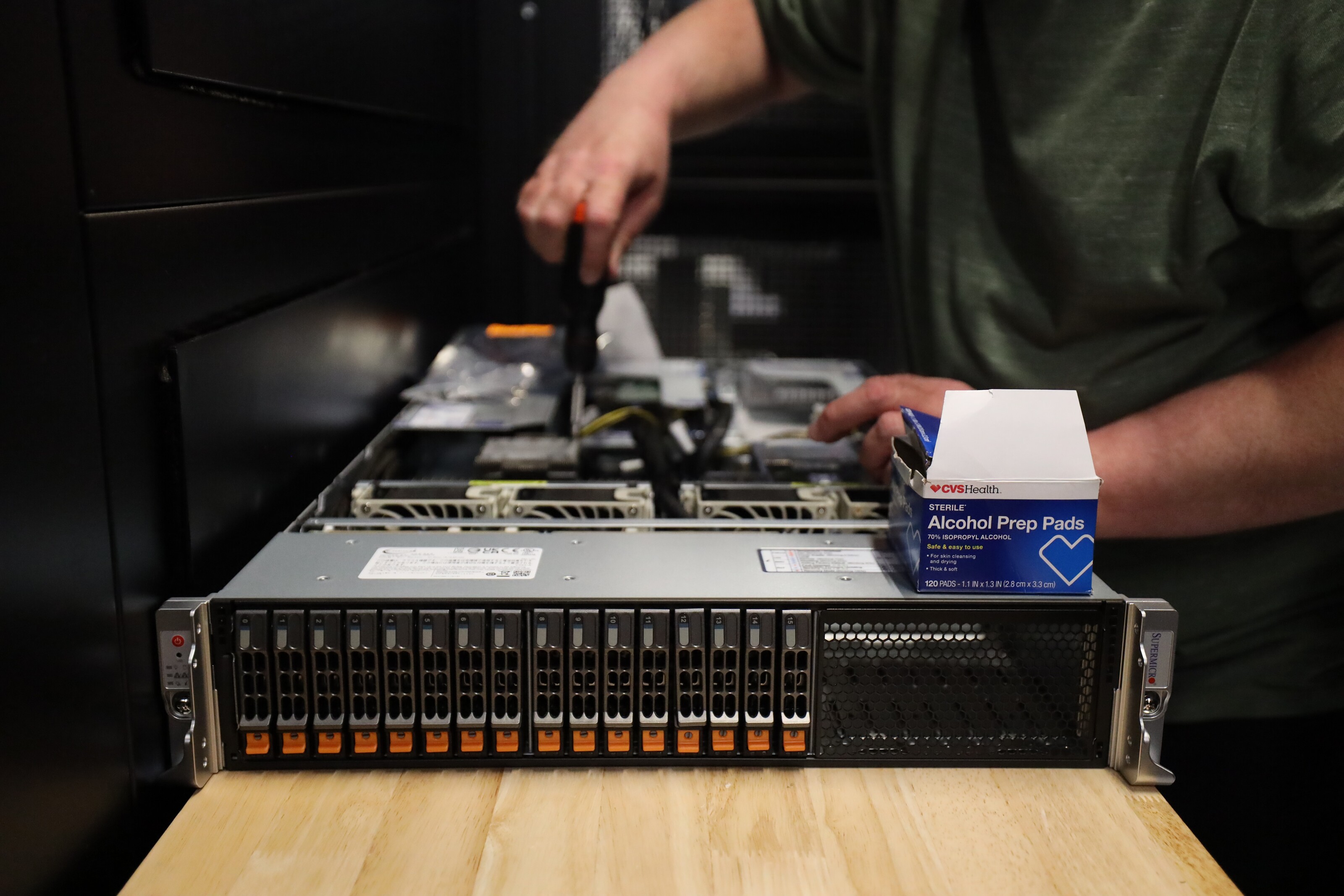
Cloud Propeller was founded by a group of engineers led by Petar Smilajkov, who had spent years building and operating cloud infrastructure for service providers whose business-driven decisions never quite allowed us to test the limits of what client-centric, high-performance architecture could do.
In 2016, we set out to build the infrastructure company we wished existed — engineer-led, infrastructure-first, deeply accountable to clients, and unwilling to hide behind ticket queues, stale hardware, or vague platform promises.
A decade later, this is still how we operate. The engineers making platform decisions are close enough to real client workloads to understand the consequences of those decisions — and accountable enough to improve them when something can be better.
We refresh hardware deliberately, choose performance-oriented components, build in headroom, test designs under real workloads, and pay attention to the details most providers bury behind product names.
Our job is to make the platform fast, stable, resilient, and quietly well-run. When needed, clients can directly reach engineers who know the platform inside out — and who are familiar with the actual workloads running on it. Every engagement starts with context, history, and a deep understanding of the systems our clients trust us to run.
To make critical infrastructure quiet, dependable, and invisible in the best possible way — fast when it matters, recoverable when it counts, and owned by the people who built it.
Cloud Propeller is operated by the same engineers who design, maintain, and support the platform. Clients are never passed through layers of disconnected support tiers—they work with people who understand the infrastructure and can act with context and authority.
Clients work with engineers who understand the platform deeply and can make operational decisions without unnecessary handoffs.
There are no layers of escalation to push through. When something matters, the right engineer is on it quickly—with enough context to act.
We design, operate, monitor, maintain, and support the entire stack we sell. Accountability stays with the engineers who run it.
Our principles are the constants in the system: the standards that keep our decisions stable when the environment around them gets complex.
The platform, the invoice, and the conversation all match reality. We do not overstate capabilities, hide constraints, or make promises the infrastructure cannot keep.
We tell clients the truth, even when the answer is inconvenient. If something is broken, delayed, risky, or more complex than expected, we say so plainly and work the problem directly.
We treat the infrastructure our clients trust us with as something to be cared for, not merely operated. Every design choice and support action should serve the reliability, continuity, and long-term health of the systems our clients depend on.
These aren't rules — they're the priorities we return to when more than one answer is defensible.
Decisions, incidents, and limitations get explained plainly — including the parts that aren't flattering to us.
Ownership doesn't stop at our network edge. If we're upstream of the issue, we're upstream of the fix.
Correct before clever. We test, document, and plan with the conservative margins production deserves.
When it matters, we move. Urgency means the next correct action — not the loudest or fastest one.
We will replace a platform, redesign a network, or recommend the harder answer when the easy one is wrong.
Strange behavior is always a clue. We don't stop at the workaround — we stop when the system actually makes sense.
Tell us what you're running. We'll go from there.